A new generation of EBV vaccines
Ebivanta Therapeutics is developing a next-generation multivalent mRNA-LNP vaccine designed to generate both broad cellular immunity and potent neutralising antibody responses against Epstein–Barr virus
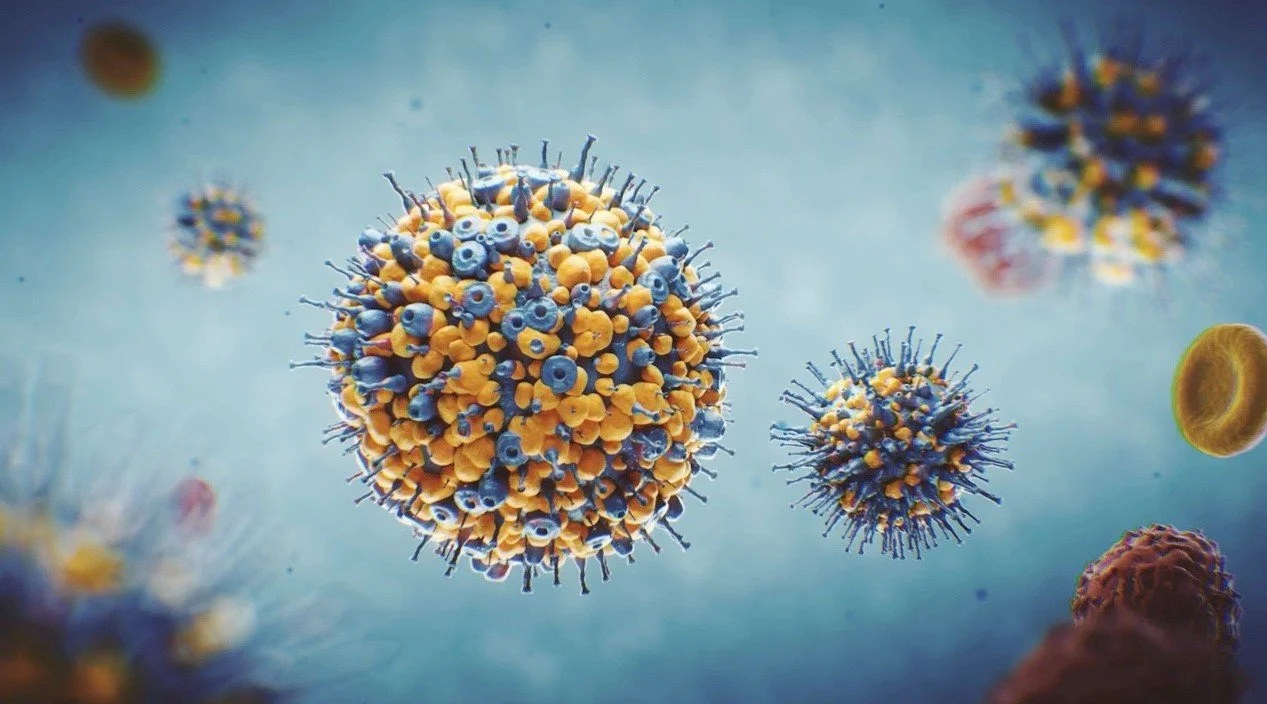
Immunity beyond neutralisation
A next-generation EBV vaccine platform
Ebivanta is developing a multivalent mRNA-LNP vaccine designed to address EBV through complementary arms of protective immunity.
The vaccine combines a polyepitope T-cell component targeting conserved latent and lytic EBV antigens with the viral glycoproteins gp350 and gB, designed to induce potent neutralising antibody responses.
This integrated approach is designed to:
Generate broad CD8+ and CD4+ T-cell immunity
Induce potent EBV-neutralising antibodies
Target multiple stages of the EBV life cycle
Provide broad population coverage across diverse HLA backgrounds
Establish durable immune memory
By combining cellular and humoral immunity within a scalable mRNA-LNP platform, Ebivanta aims to move beyond conventional glycoprotein-only EBV vaccine strategies.

Why EBV matters
95% of adults worldwide have been infected by Epstein-Barr virus.
Epstein-Barr infections have been associated with:
Multiple sclerosis
Hodgkin lymphoma
Nasopharyngeal carcinoma
Gastric cancer
Burkitt lymphoma
PTLD
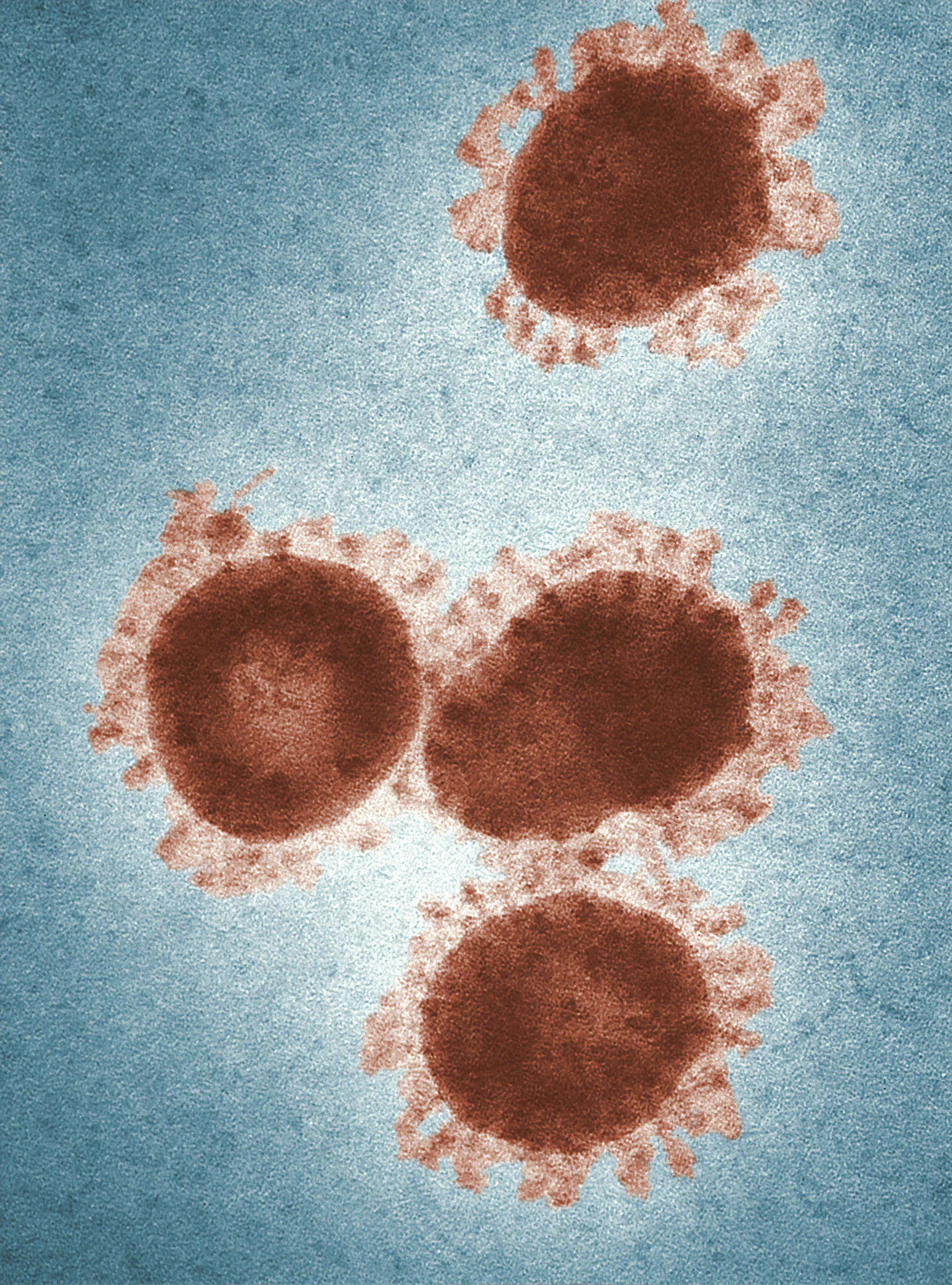
The EBV disease pathway
From primary infection to long-term health impact
EBV is a highly common virus that spreads through saliva. After entering the body, it infects B cells and can cause infectious mononucleosis (glandular fever). The virus then remains in the body for life, hiding in a latent state within B cells. In some people, EBV may contribute to serious diseases later in life, including several cancers and autoimmune conditions.
1. Exposure and primary infection
EBV is transmitted through saliva and infects cells in the mouth and throat before spreading to B cells and the lymphatic system.
2. Infectious mononucleosis
In some people, the initial infection causes infectious mononucleosis, with symptoms including fever, sore throat, fatigue, swollen lymph nodes and an enlarged spleen.
3. Lifelong persistence
After the initial infection, EBV is not eliminated from the body. It remains dormant in B cells and can reactivate throughout life.
4. Long-term health impact
Persistent EBV infection and immune dysregulation may contribute to the development of several cancers and autoimmune diseases, including multiple sclerosis, Hodgkin lymphoma, nasopharyngeal carcinoma, gastric cancer, Burkitt lymphoma and post-transplant lymphoproliferative disease (PTLD).
Why prevention matters
Preventing EBV infection could have the potential to reduce the global burden of infectious mononucleosis and, by preventing initial infection, potentially reduce the risk of EBV-associated cancers and autoimmune disease.