Transforming EBV prevention through next-generation mRNA immunotherapy
A major global health opportunity
Epstein–Barr virus is one of the world's most prevalent human viruses, establishing lifelong infection in the majority of the global population.
Primary EBV infection during adolescence or young adulthood can cause infectious mononucleosis, while persistent EBV infection is associated with a substantial long-term burden of malignant and immune-mediated disease.
EBV-associated conditions include:
Infectious mononucleosis
Multiple sclerosis
Systemic lupus erythematosus
Hodgkin lymphoma
Burkitt lymphoma
Nasopharyngeal carcinoma
EBV-associated gastric cancer
Extranodal NK/T-cell lymphoma
Post-transplant lymphoproliferative disease
A successful prophylactic EBV vaccine therefore has the potential to address an opportunity extending well beyond prevention of acute primary infection.
A multi-faceted approach
Broad T-cell Immunity
Recognise
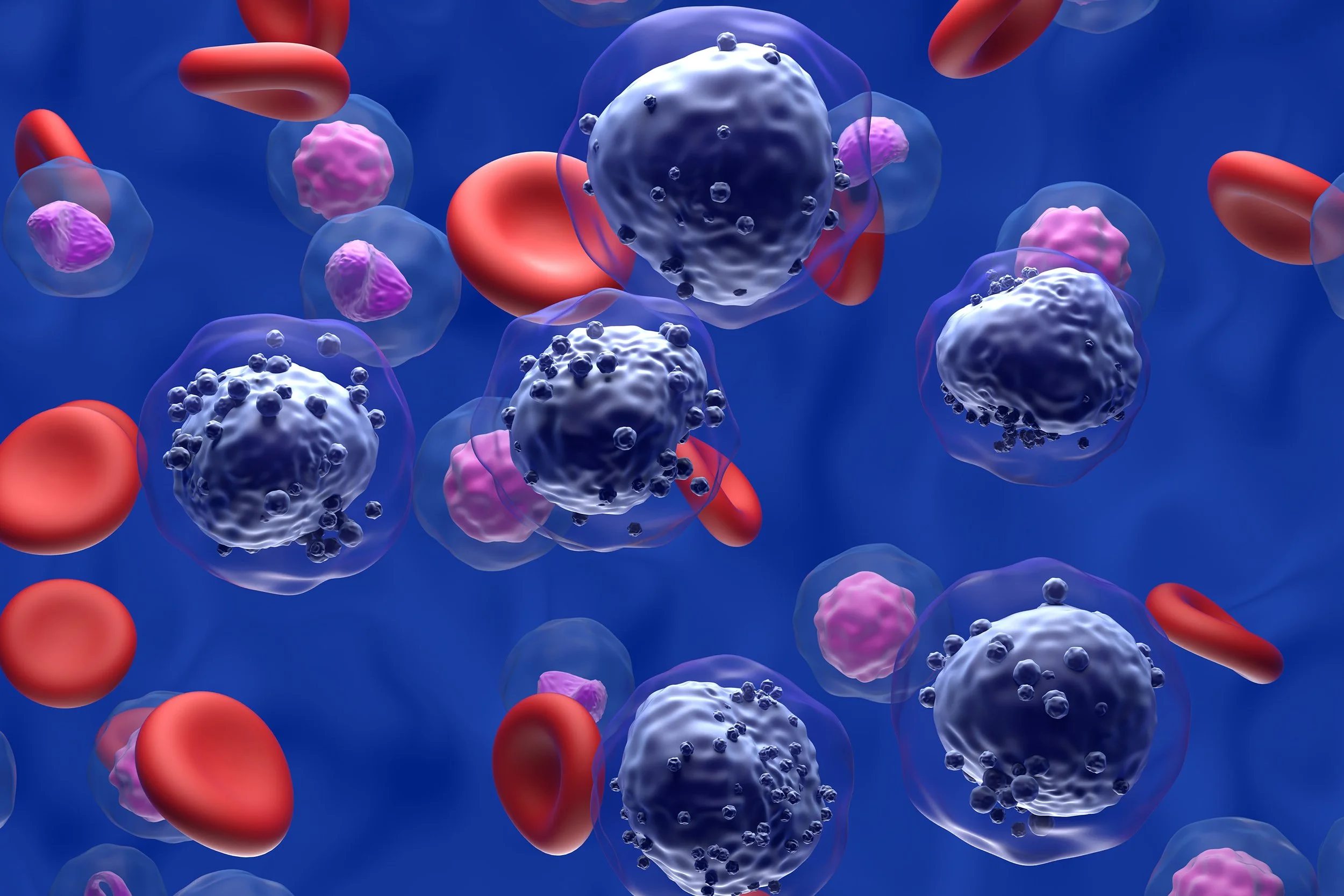
CD8+ T cells recognise EBV peptides presented on infected B cells by MHC class I molecules.
Activate
This recognition activates the T cells and triggers an immune response.
Eliminate
Activated CD8+ T cells release perforin and granzymes, causing infected B cells to undergo apoptosis and eliminating a reservoir of EBV.
Amplify protection
The resulting release and presentation of viral antigens helps strengthen the immune response and supports protection against EBV.
mRNA-LNP platform
Deliver the instructions
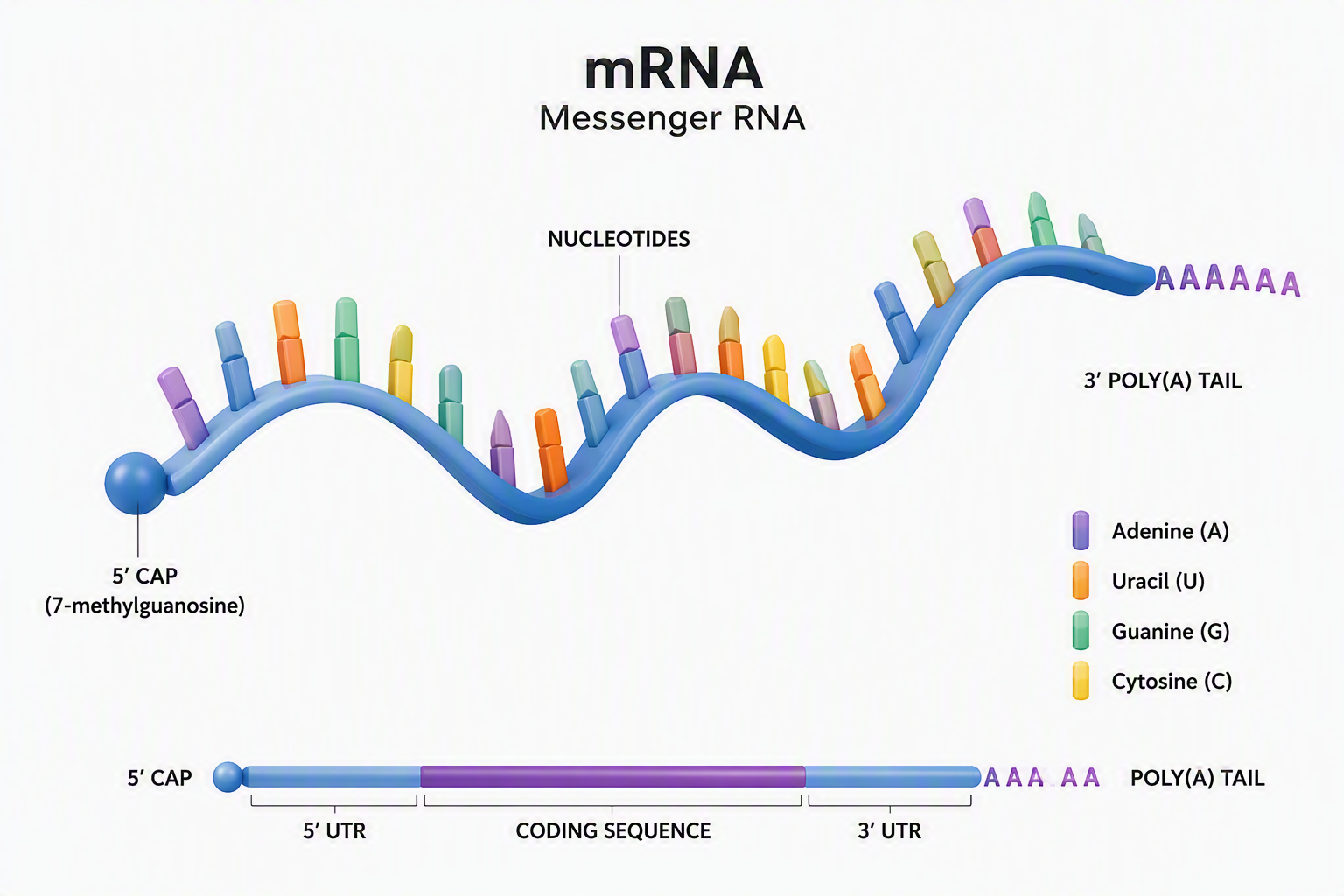
Synthetic, non-replicating mRNA encodes key EBV antigens, including polypeptide, gp350 and gB.
Protect and deliver
The mRNA is packaged inside lipid nanoparticles (LNPs), which protect it and help deliver it efficiently into cells.
Activate the immune system
LNPs deliver the mRNA into antigen-presenting cells, where it is translated into EBV antigens. These antigens are processed and presented to activate CD8+ and CD4+ T cells and stimulate neutralising antibodies.
Build protective immunity
Together, T-cell and antibody responses can recognise and eliminate EBV-infected cells while blocking viral entry—providing protection against primary infection and potentially reducing the risk of EBV-associated diseases.

Neutralising antibodies
Recognise the virus
EBV uses the gp350 protein to attach to CD21 receptors on B cells, allowing the virus to enter the cell.
Block attachment
Neutralising antibodies bind to gp350, preventing it from interacting with the CD21 receptor.
Prevent infection
By blocking viral attachment and entry, these antibodies stop EBV from infecting B cells.
Protect against EBV
This antibody response can help prevent primary EBV infection and limit the spread of the virus.